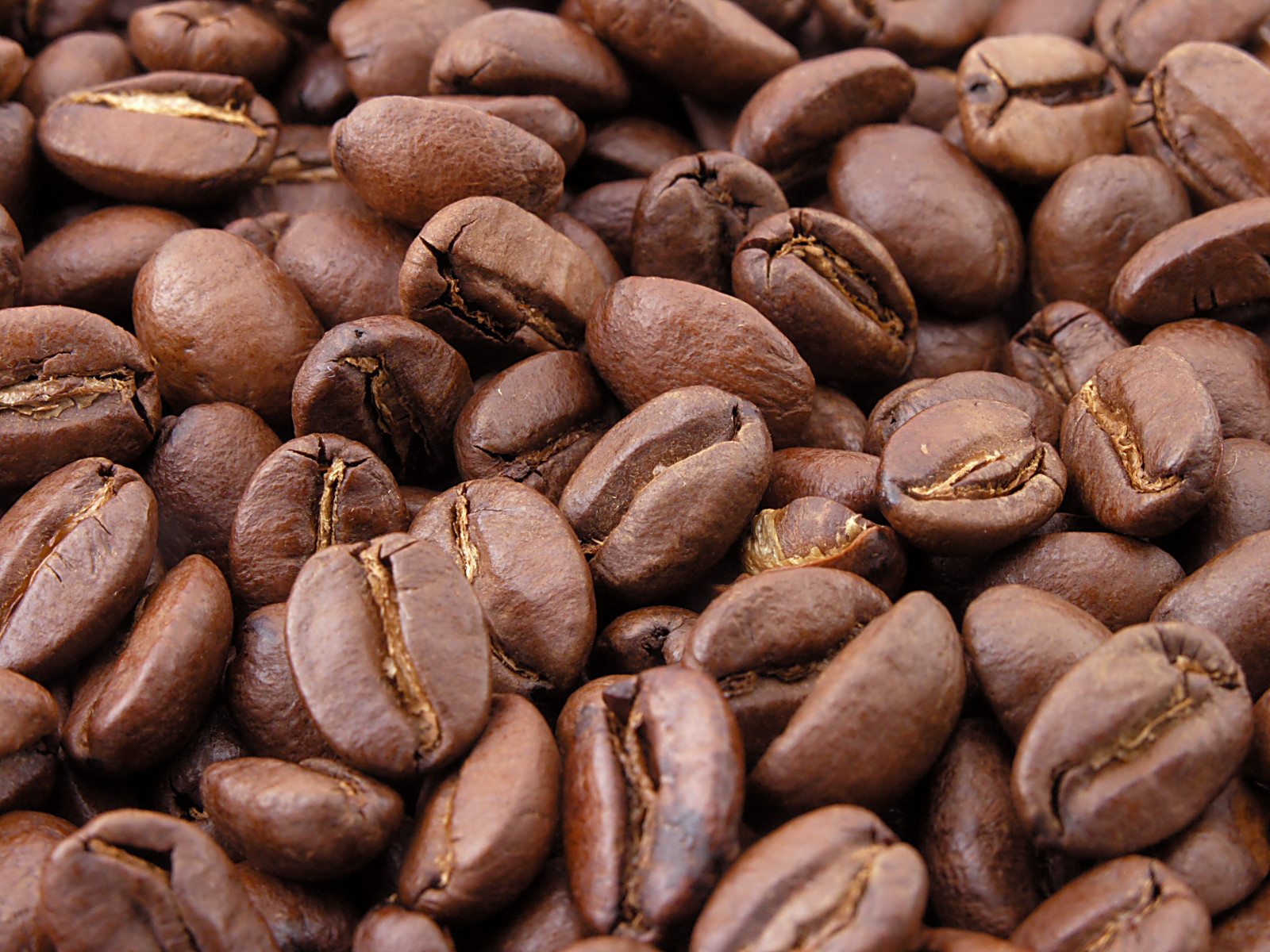
Vietnam grows some of the world’s boldest coffee, but only one city decided to season it. Hue’s ca phe muoi, salt coffee, is the city’s modern legend: whipped salted cream floating over robusta so dense it could hold a spoon upright, the salt rounding the bitterness into something almost caramel. Guests of Thanh Lich Royal Boutique Hotel are staying in one of the best cafe neighbourhoods in Vietnam, and this guide turns that advantage into a proper education.

The Foundation: Phin, Robusta and Patience
Vietnamese coffee starts with the phin filter: a small metal drip device over a glass, ground robusta blooming under hot water, four to five minutes of patience, condensed milk waiting at the bottom. Hue drinks it all ways: “ca phe sua nong” (hot with milk) for cool mornings, “ca phe sua da” (iced) for everything else, and “ca phe den” (black) when locals need gravity. Learn one phrase: “ca phe sua da, khong duong” if you want it iced but unsweetened. The rhythm of sitting slow over a phin is the skill worth learning; a Hue cafe is not a coffee stop, it is a half-hour of life.
Salt Coffee: Hue’s Invention
Born in Hue in the 2000s and now exported across Vietnam, salt coffee blends a spoonful of salted, frothed cream into strong phin coffee over ice. The salt does not make it salty; it suppresses bitterness the way sugar never can. Look for the city’s dedicated “muoi” cafes, several of which sit within a few minutes’ ride of the hotel district, and order “bac siu” as the gentler cousin: mostly milk with a coffee halo. A standard cafe price runs roughly VND 25,000-60,000 per drink.
The Royal Layer: Teas and Court Refinements
Hue also inherited a court tea culture: scented green teas, lotus-infused brews and the sweet candied ginger “me xung” served alongside, echoing the desserts in our che guide. Traditional tea houses around the old quarter serve “tra cung dinh” (royal-style tea service) with slow ceremony; it is the perfect calm hour between the citadel morning and an evening walk.
The Cafe Geography Around Your Hotel
| Area | Vibe | Best for |
|---|---|---|
| Hai Ba Trung and nearby lanes | Local, school-adjacent, youthful | Salt coffee, people watching |
| Le Loi riverside | Grand villas, old hotels, river breeze | Slow afternoons, photo tables |
| Old quarter lanes near the citadel | Traditional, tea houses, quiet | Royal tea service |
| Walking street zone (800 m) | Lively, evening | Nightcap after street food |
Our honest method for choosing: walk any of these streets, pick the cafe where locals outnumber visitors, order the house speciality, and stay for two phins. If a cafe is packed at 7am, it is a breakfast noodle shop too, which links to our bun bo Hue guide.
A cafe city on your doorstep, a rooftop bar back home. Compare dates now.
Frequently Asked Questions
What is salt coffee in Hue?
Hue’s signature drink: strong phin coffee with a frothed salted cream top, which softens bitterness into a caramel-like taste.
How much does cafe coffee cost in Hue?
Roughly VND 25,000-60,000 per drink at local cafes, more at hotel bars and riverside venues.
Are there cafes near Thanh Lich Royal Boutique Hotel?
Yes, the Hai Ba Trung and Le Loi areas around the hotel are dense with local cafes, salt-coffee specialists and riverside tables.
What is tra cung dinh?
A royal-style tea service with scented and lotus teas served with sweets, a holdover from the Nguyen court tradition.