Hue is the most vegetarian-friendly city in Vietnam, and it is not close. As the historic seat of Vietnamese Buddhism and home to dozens of active pagodas, the city eats “chay” (plant-based) as a weekly rhythm, and that rhythm has produced a restaurant culture plant-based travellers dream about. If you avoid meat, this guide will change how you plan your stay at Thanh Lich Royal Boutique Hotel.

Why Hue Eats Plant-Based Twice a Month
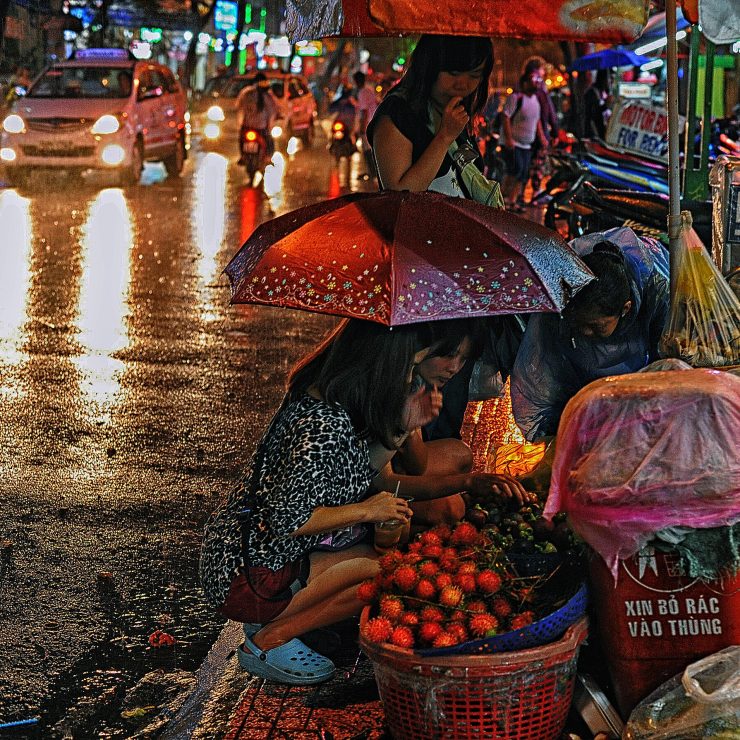
On the first and fifteenth day of each lunar month (“mung mot” and “ram”), large numbers of Hue residents eat entirely meat-free as an act of devotion, families visit pagodas, and every street restaurant adds chay signs to its window. Restaurants plan menus around these days, which means the city’s meat-free infrastructure is normal, abundant and cheap rather than niche. Even travellers who eat everything find themselves drawn in by the atmosphere of a temple lunch counter.
The Chay Repertoire: Full Flavour, No Meat
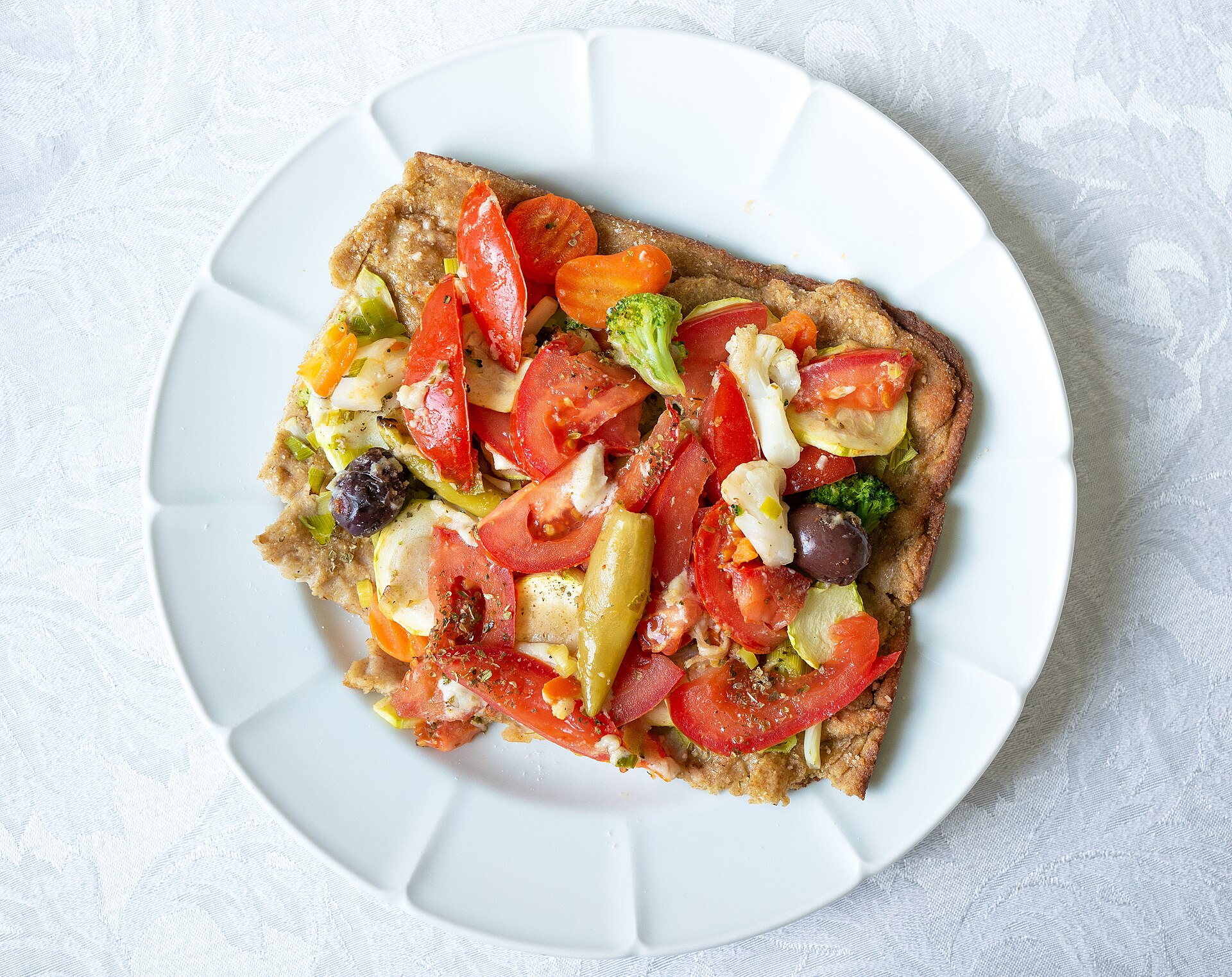
Hue’s vegetarian kitchens do not serve salads; they reimagine the imperial menu. Expect bun bo chay (the lemongrass-chilli noodle soup, mushroom-based), banh khoai chay (the crisp royal pancake with bean sprouts and herbs), banh beo and nam (steamed rice cakes), mushroom “nhung” hotpots, and mock meats built from tofu skin. The technique is the point: the same royal presentation, plant-based versions. Finish with fruit-based che desserts, most of which are naturally dairy-free or vegan on request.
Where to Eat: Markets, Shops and Pagoda Canteens
1. Dedicated chay restaurants: Hue’s long-established vegetarian restaurants, clustered on and around streets such as Le Quy Don and the citadel side, serve full menus with clear vegan labels; ask the hotel concierge for the currently best-reviewed options, as favourites rotate. 2. Pagoda canteens: several larger pagodas run simple lunch counters on holy days where a rice-and-vegetables plate costs pocket change and eats better than its price; dress modestly and donate kindly. 3. Market stalls: Dong Ba Market keeps chay vendors inside the covered sections at midday. 4. The hotel: Huong Ngu restaurant lists vegetarian, dairy-free and gluten-free options as standard, and Ngu Yen Royal Cuisine offers vegan choices; details are in our hotel dining guide, so long-stay guests can eat well without leaving the building.
Planning Your Chay Days
Time one meal to the lunar first or fifteenth if you can: the streets around pagodas turn into impromptu food festivals, and the eating is communal and joyful. The rest of your days, mix hotel options with one market lunch and one restaurant dinner; the pattern fits neatly into the free-afternoon slots of our 3-day itinerary, and rainy evenings have their own indoor list in our rainy-day guide.
A hotel whose kitchen already speaks vegan. Check rates for your plant-based Hue week.
Frequently Asked Questions
Is Hue good for vegetarians and vegans?
Yes. Buddhist tradition makes plant-based eating common, with dedicated chay restaurants, pagoda canteens and vegetarian options in hotel kitchens.
When are the Buddhist vegetarian days in Hue?
The first and fifteenth days of each lunar month, when many locals eat chay and pagoda canteens open to the public.
Does Thanh Lich Royal Boutique have vegetarian options?
Yes. Huong Ngu restaurant offers vegetarian, dairy-free and gluten-free choices, and Ngu Yen Royal Cuisine includes vegan options.
What should strict vegans watch out for?
Fish sauce in seasonings: ask for “khong nuoc mam” (no fish sauce), a phrase Hue kitchens understand immediately.